Making Stretch Tents Sustainable: Enhancing Longevity and Reducing Environmental Impact
Introduction
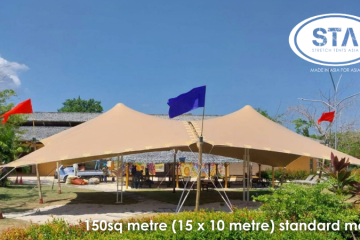
Stretch tents have become the go-to choice for outdoor events due to their versatility and aesthetic appeal. However, it’s essential to address their environmental impact. In this blog post, we’ll explore how to extend the life of stretch tents through responsible practices, appropriate rigging accessories, effective cleaning methods, essential repairs, and proper storage, all while minimizing the impact on our environment and making sustainable stretch tents the norm.
The Environmental Impact of Stretch Tents
While not the largest contributor, the stretch tent industry can still impact the environment significantly. The disposal of stretch tents in landfills can take centuries to decompose, resulting in a substantial carbon footprint. From manufacturing to event companies, it’s our responsibility to take steps to minimize waste and extend the lifespan of the tents we love.
Prolonging Stretch Tent Lifespan
Use of Proper Rigging accessories
Investing in the right rigging accessories is crucial to maintaining stretch tents’ integrity. Quality hardware like decent pole tops, carabiners, ropes and anchors ensures correct tension and anchoring, preventing unnecessary wear and tear. Employ qualified rigging staff to ensure the proper setup of your stretch tent using the right accessories.
Effective Cleaning Methods
Regular cleaning is vital for preserving the appearance and performance of stretch tents. To prevent damage, use gentle cleaning methods, like a soft brush or sponge with mild, non-abrasive detergents. Avoid harsh chemicals and high-pressure washers, which can strip the fabric and lead to premature degradation. Consider using eco-friendly cleaning agents for a more sustainable approach. It will take less effort to get the tent clean if it is washed on a regular basis and will be a lot easier on the fabric.
Prompt Repairs
Address small tears or holes as soon as they appear, as they can quickly worsen if left unattended. Inspect your tent for damages before storing it after an event, making it easier to spot issues with the help of light shining through. Keep a repair kit on hand, including patches, adhesives, and hand welders. If the repairs are beyond your expertise, seek assistance from a local repair shop. Addressing problems promptly extends your tent’s lifespan and reduces the need for costly replacements.
Proper Storage
Correct storage during periods of non-use is crucial. Ensure the tent is clean and completely dry before storing it to prevent mould and mildew. Carefully fold the tent to avoid creasing, or consider rolling it instead. Store it in a cool, dry place away from direct sunlight, ideally on a pallet or shelving to keep it off the floor. Implement necessary pest control measures to prevent damage from rodents.
Sustainable Practices for Stretch Tents
Reuse
Rather than discarding stretch tents after a few seasons, consider reusing them for lower-budget events, sponsorships, charities, or reselling. There’s a second-hand market for stretch tents, even internationally. A tent that’s no longer suitable for one climate might be a perfect solution for another. Explore these options to extend your tent’s useful life. A couple of second hand tents might just be enough to start a new business on a different continent and grow our industry in the long run.
Explore Recycling Options
While most stretch tents aren’t recyclable, inquire with the manufacturer about any recycling or upcycling programs they offer. Some companies are working on sustainable alternatives. Consider implementing ISO14001 Environmental Management practices to make your company more environmentally friendly.
Conclusion
Stretch tents offer an elegant and flexible solution for outdoor events. However, their environmental impact cannot be ignored. By adopting responsible practices and focusing on sustainability, we can extend their lifespan and reduce our carbon footprint. Reuse and explore recycling options to further minimize the impact. Let’s embrace a more sustainable approach to event hosting while preserving the beauty and functionality of stretch tents for years to come.