
The Do’s and Don’ts of Dry Hiring
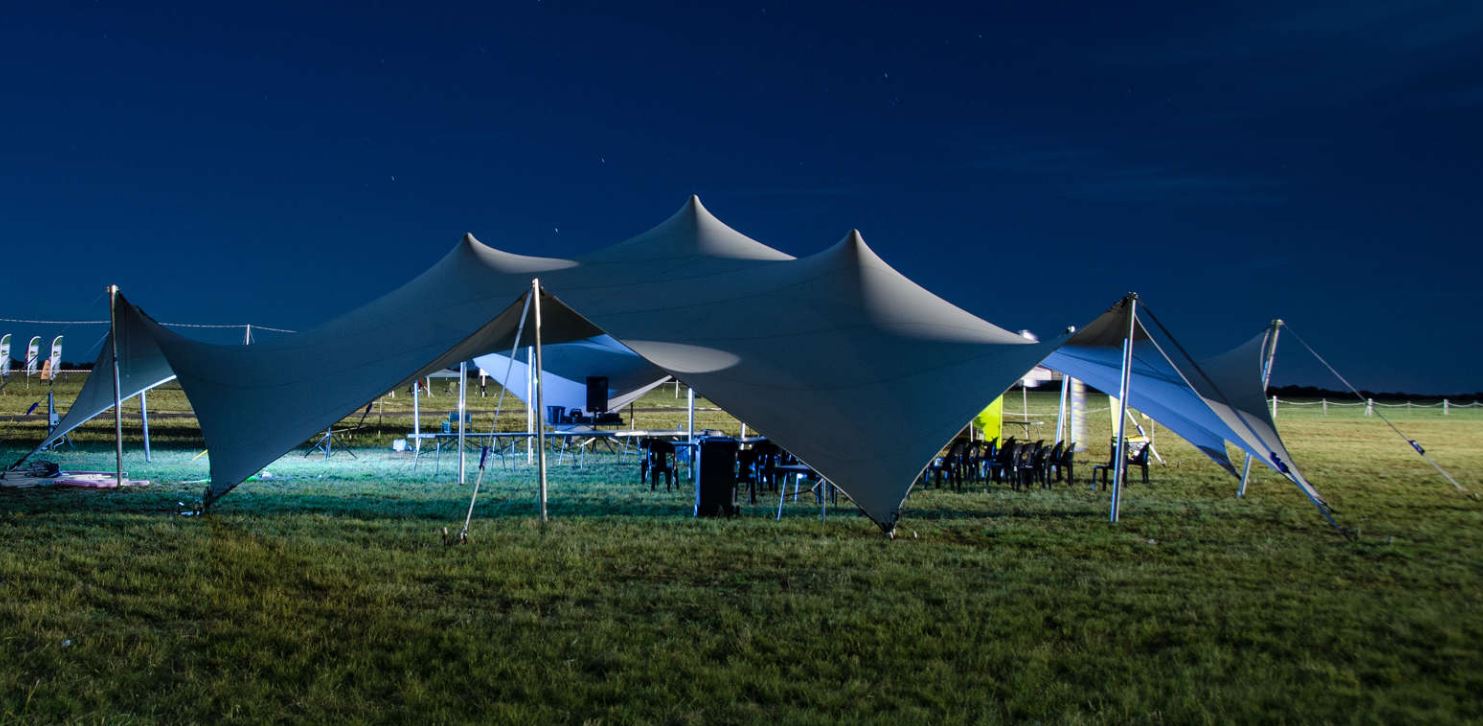
Dry hiring, also known as equipment rental or hire-only services, has gained popularity across various industries as a cost-effective and flexible solution for acquiring specialized equipment or machinery in our case stretch tents or rigging equipment. Whether you’re planning an event, or have a client that needs a specific size or colour tent that you do not stock or want to stock, dry hiring can provide the necessary resources without the burden of ownership. However, to ensure a successful dry hiring experience, it’s crucial to be aware of the do’s and don’ts involved. In this blog post, we will explore the essential guidelines for maximizing the benefits and avoiding common pitfalls of dry hiring.
The Do’s of Dry Hiring:
Assess Your Needs:
Before approaching a dry hire provider, evaluate your specific requirements thoroughly. Determine the size and colour of the tent as well as rigging needed, and any additional features or specifications required for your project such as side walls. Note that different suppliers use different attachment methods for side walls. Make sure that the ones you dry hire will be compatible with your tent.
Having a clear understanding of your needs will help you communicate effectively with the provider and ensure you receive the right equipment for the job.
Research Reliable Providers:
Take the time to research and identify reputable and reliable dry hire providers. Look for companies with a proven track record, positive customer reviews, and a wide range of well-maintained equipment. Consider their experience, expertise, and commitment to safety and quality assurance.
Inspect the Equipment:
Before finalizing the rental agreement, inspect the equipment thoroughly. Check for any signs of damage, wear and tear, or malfunction. Ensure that the equipment meets your requirements, is in proper working condition, and complies with relevant safety standards.
Understand the Rental Terms:
Read and understand the rental agreement in its entirety. Pay close attention to terms regarding rental duration, pricing, delivery and pickup procedures, liability, insurance requirements, and any penalties for damages or late returns. Clarify any doubts or concerns before signing the agreement to avoid misunderstandings or unexpected costs.
The Don’ts of Dry Hiring:
Don’t Overlook Insurance:
Avoid neglecting insurance coverage. While the dry hire provider may have their own insurance, it’s essential to verify whether it adequately covers your project’s specific requirements. If necessary, consider obtaining additional insurance to protect against potential liabilities or damages.
Don’t Neglect Maintenance:
Ensure that the tent is properly installed and maintained and cared for during the rental period. Adhere to the manufacturer’s recommended installation procedures and promptly report any issues or malfunctions to the dry hire provider. Neglecting maintenance can lead to failures, repairs, and additional costs.
Don’t Misuse equipment:
Use the rented equipment strictly for its intended purpose and within its stated limitations. Avoid subjecting the tent to conditions that exceed its capacity like extreme weather conditions. Improper usage can lead to accidents, damage, and potential legal liabilities.
Don’t Exceed Rental Duration:
Respect the agreed-upon rental duration and return the equipment on time. Failure to do so can result in additional costs, penalties, or inconvenience for other customers who may have booked the tent already for that time period.
Don’t Ignore Communication:
Maintain open and clear communication with the dry hire provider throughout the rental period. Notify them promptly of any changes, delays, or issues that may affect the rental arrangement. Effective communication ensures a smoother process and allows for prompt resolution of any concerns.
Dry hiring offers numerous benefits for businesses seeking cost effective and flexible access to tents and accessories. By following the do’s and don’ts outlined in this guide, you can enhance your dry hiring experience and maximize the value of your rental. Remember to assess your needs, research reliable providers, inspect equipment, understand rental terms. Prioritize safety and communicate effectively. With careful planning and adherence to these guidelines confidently embark on your dry hiring journey and achieve successful project outcomes.
















Comments
4